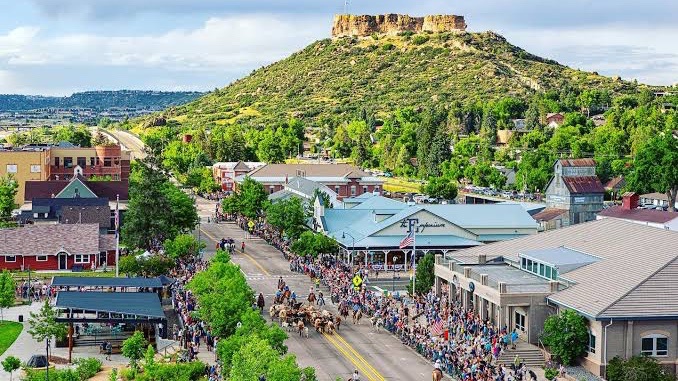
Castle Rock, Colorado Community & Real Estate Guide
A local guide to Castle Rock real estate, neighborhoods, downtown, parks, trails, open space, growth, and what buyers and sellers should consider.
Search Castle Rock Homes for SalePreston's Perspective
Castle Rock is a market where the neighborhood often matters almost as much as the house. An established home near downtown, a property in The Meadows, a newer home in Crystal Valley, and a residence in one of the communities farther east can differ substantially in age, lot characteristics, amenities, HOA structure, transportation patterns and nearby development. Topography and elevation add another layer because views, slope, orientation and open-space relationships can vary even within the same community. For buyers, I would narrow the search by neighborhood and property characteristics before relying on townwide averages. For sellers, pricing should reflect the home's actual competitive set, including neighborhood, builder or construction era where relevant, condition, lot, views, updates, amenities and current nearby inventory.
Key Takeaways
- Castle Rock contains a wide range of established, master-planned and newer communities, so neighborhood-level comparisons are more useful than broad townwide averages.
- Topography, open space, trails, views, lot characteristics and neighborhood amenities can materially affect how individual Castle Rock properties compare.
- Castle Rock continues to grow and develop, making nearby planned development, infrastructure and transportation important parts of property-level research.
Castle Rock at a Glance
- County
- Douglas County
- Community Role
- Douglas County seat
- Setting
- Front Range ridges, mesas and valleys
- Town-Managed Trails
- 104 miles
- Town-Managed Open Space
- 4,000+ acres
- School District
- Douglas County School District
Castle Rock is the Douglas County seat and a growing Front Range community positioned between Denver and Colorado Springs along Interstate 25. The town combines a historic downtown with established neighborhoods, large master-planned communities, newer residential development, extensive parks and trails, and substantial protected open space. Castle Rock's terrain is a major part of its physical identity, with ridgelines, mesas, valleys and the landmark Rock creating meaningful differences in elevation and setting throughout the community. Housing varies considerably by neighborhood, construction era and development pattern, making neighborhood-level analysis especially important for buyers and sellers.
Living in Castle Rock
Castle Rock combines several different community environments within one town. Historic downtown provides the traditional civic and commercial center, while established neighborhoods and larger master-planned communities extend outward across ridges, valleys and mesas. Newer development continues in several parts of the community. This means a Castle Rock address alone does not describe the housing experience. Neighborhoods can differ in home age, lot size, density, HOA structure, recreation amenities, access to commercial areas and proximity to open space. Terrain also matters. Elevation, slope and orientation can affect views, sunlight, snow retention, drainage and the relationship between homes and surrounding development. Buyers are generally better served by first identifying the type of neighborhood and property they want and then comparing the Castle Rock areas that meet those priorities.
Homes & Real Estate in Castle Rock
Castle Rock's housing reflects decades of growth and multiple development patterns. Buyers can encounter older homes near established parts of town, subdivisions built during previous growth cycles, large master-planned communities, townhomes and other attached housing, newer construction and homes in areas that are still being built out. That variety creates important differences in pricing and ownership considerations. Construction era, builder, renovation history, lot characteristics, HOA requirements, neighborhood amenities and nearby future development may all matter. In areas with greater elevation change, buyers should also evaluate slope, drainage, driveway configuration, orientation and views. For valuation, the strongest comparable properties are usually homes competing for the same buyer within the same or similar neighborhood environment rather than properties selected only because they share a Castle Rock address.
Downtown Castle Rock
Downtown Castle Rock provides the community's historic and civic center and has also experienced significant reinvestment and residential development. The Town identifies projects such as Riverwalk and Encore as part of a longer-term downtown redevelopment strategy that has introduced new residences while supporting local businesses and public spaces. Festival Park serves as an important downtown gathering place. For real estate, living near downtown offers a different setting from Castle Rock's larger master-planned neighborhoods. Housing type, lot configuration, street activity, parking, access to businesses and surrounding land uses may all differ. Buyers interested in the downtown area should evaluate the specific block and property rather than assuming that all homes near the town center offer the same environment.
Neighborhoods & Communities
Castle Rock includes numerous distinct residential communities. The Meadows is one of the town's largest master-planned areas and contains multiple neighborhoods, housing types, parks and community amenities. Founders Village and Castlewood Ranch provide established residential environments on the eastern side of town, while Crystal Valley includes substantial newer and ongoing development south of central Castle Rock. Terrain-oriented communities and neighborhoods elsewhere in town can offer different lot sizes, views, open-space relationships and housing ages. Downtown and older central neighborhoods provide another set of property characteristics. These differences are why Castle Rock is particularly well suited to neighborhood-level research. Future CohousePro Neighborhood Guides can build on this city pillar with deeper coverage of individual Castle Rock communities.
Parks, Trails & Open Space
Parks, trails and open space are major components of Castle Rock's physical layout. The Town reports 104 miles of Town-managed trails, 25 Town-managed parks and more than 4,000 acres of Town-managed open space. Through additional community and regional resources, Castle Rock residents have access to more than 130 miles of trails, more than 60 parks and more than 6,900 acres of open space within town. Major recreation destinations include Philip S. Miller Park, Ridgeline Open Space and the broader trail network connecting neighborhoods and activity centers. Roughly 30% of the Town is designated open space. For buyers, proximity to these resources can be meaningful, but actual trail access, terrain, parking, neighborhood connections and the relationship between a home and adjoining open space should be evaluated at the individual property level.
The Meadows, Philip S. Miller Park & West Castle Rock
West Castle Rock contains several of the community's most recognizable newer and master-planned residential areas. The Meadows includes a broad range of neighborhoods and housing types, while Philip S. Miller Park provides a major recreation destination with trails and other facilities nearby. Ridgeline Open Space adds additional trail and natural-space access. Residential development in this part of Castle Rock varies in age, density, lot characteristics and proximity to amenities. Buyers should compare individual neighborhoods carefully, including HOA structures and fees where applicable, community amenities, construction era, traffic patterns and nearby development. Even within a large master-planned community, homes may compete differently based on lot, view, condition, location and surrounding open space.
Location, I-25 & Getting Around
Castle Rock is located along Interstate 25 between the Denver metropolitan area and Colorado Springs. I-25 provides the primary regional transportation connection, while local routes including Founders Parkway, Meadows Parkway, Plum Creek Parkway, Wolfensberger Road and other arterial streets connect neighborhoods with downtown, commercial centers and highway interchanges. Transportation convenience varies substantially across town because residential development extends well beyond the I-25 corridor. A home in western Castle Rock may have a different daily route than one in an eastern or southern community. The Town continues to plan for transportation needs as growth occurs, including roadway, bicycle and pedestrian improvements and long-range traffic forecasting. Buyers with regular commuting requirements should evaluate actual routes from the specific property during realistic travel periods.
Growth, Development & Planning
Growth is an important part of Castle Rock's real estate context. The Town's 2030 Comprehensive Master Plan identifies responsible growth as one of its four central planning cornerstones and guides decisions involving development, infrastructure, transportation, community services and the natural environment. Some parts of Castle Rock are largely established while others continue to add homes, commercial uses, roads and community facilities. Buyers considering properties near vacant land or developing areas should review current development applications and planning information rather than assuming surrounding conditions will remain unchanged. Sellers in newer or actively developing communities should also understand how new construction and builder inventory may compete with resale homes.
Topography & Property Considerations
Castle Rock's terrain can create meaningful property-level differences. Ridgelines, mesas and valleys contribute to the town's identity but can also influence slope, drainage, driveway configuration, sun exposure, snow retention and views. Homes adjacent to open space may have different surroundings and maintenance considerations from properties within denser residential sections. Newer communities can introduce additional factors such as builder warranties, HOA requirements and nearby construction activity, while established homes may require closer evaluation of renovations and major systems. These considerations do not apply equally to every property, so buyers should use appropriate inspections, title review, insurance research, HOA document review where applicable and other due diligence specific to the home.
Schools & Education
Castle Rock is served by Douglas County School District. The district identifies two primary Castle Rock feeder systems associated with Castle View High School and Douglas County High School, along with their respective middle and elementary schools. School information in CohousePro Neighborhood Guides is provided for general location context rather than as a ranking or recommendation. Because school boundaries, programs, enrollment policies and assignments can change, buyers should verify current information directly with Douglas County School District for the specific property they are considering.
Local Highlights
Downtown Castle Rock
The historic civic and commercial center, with local businesses, newer residential development and public gathering spaces including Festival Park.
The Rock
Castle Rock's namesake geological landmark and one of the most recognizable features of the community.
Philip S. Miller Park
A major recreation destination in west Castle Rock connected with trails and other community recreation facilities.
The Meadows
A large master-planned community in west Castle Rock containing multiple neighborhoods, housing types, parks and amenities.
Extensive Open Space
The Town manages more than 4,000 acres of open space, with broader community access to more than 6,900 acres within Castle Rock.
I-25 Location
Castle Rock's position along Interstate 25 provides regional access toward both the Denver metro area and Colorado Springs.
Explore Castle Rock Neighborhoods & Communities
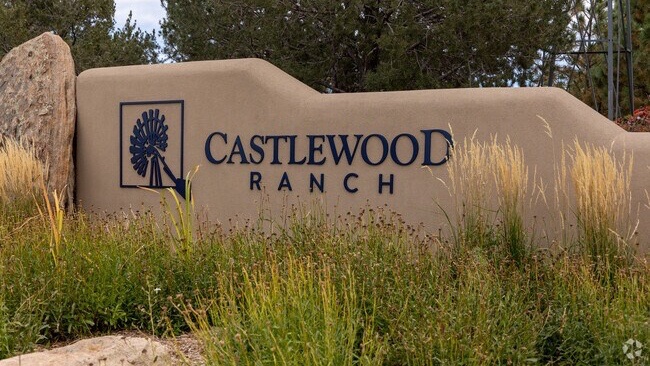
Castlewood Ranch
A local guide to homes, open space, trails, HOA considerations, location, schools, and real estate in Castlewood Ranch.
Read the guide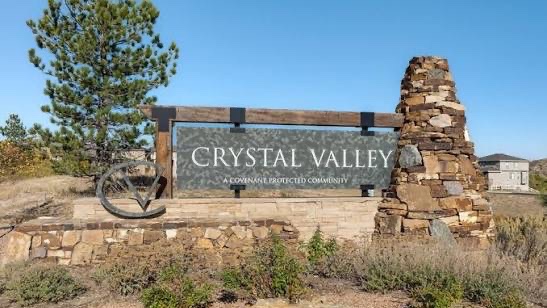
Crystal Valley
A local guide to homes, parks, trails, recreation, development patterns, HOA considerations, and real estate in Crystal Valley.
Read the guide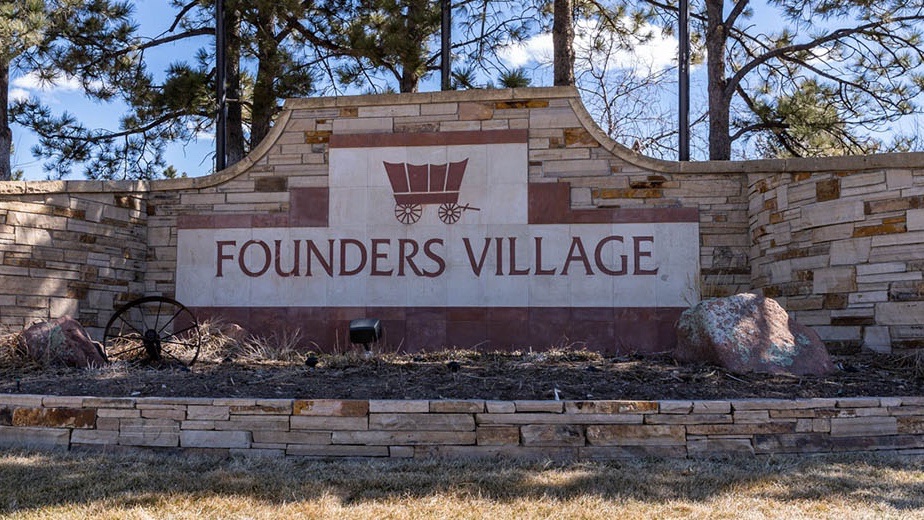
Founders Village
A local guide to homes, parks, trails, established neighborhood character, location, and real estate considerations in Founders Village.
Read the guide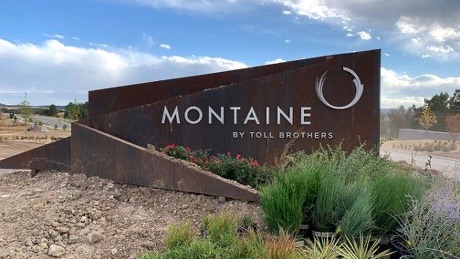
Montaine
A local guide to homes, amenities, trails, open space, Regency at Montaine, location, and real estate in Montaine.
Read the guide
Plum Creek
A local guide to homes, golf-course settings, parks, HOA structures, location, schools, and real estate in Plum Creek.
Read the guide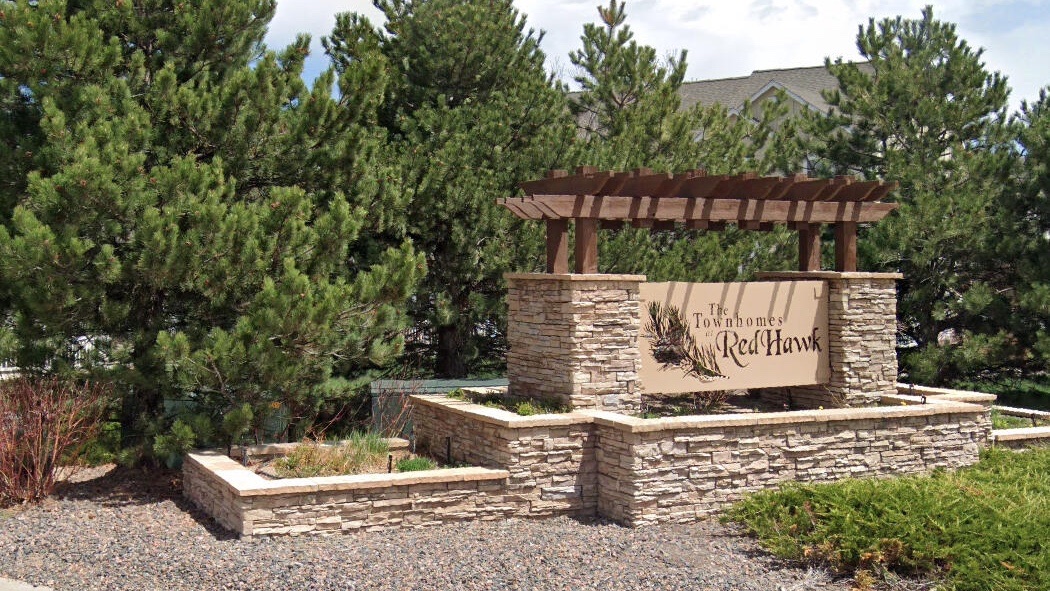
Red Hawk
A local guide to homes, golf-course settings, townhomes, HOA structures, location, topography, and real estate in Red Hawk.
Read the guide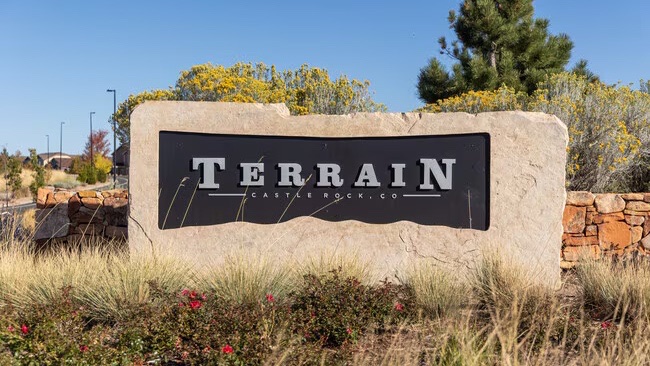
Terrain
A local guide to homes, amenities, trails, open space, development patterns, HOA considerations, and real estate in Terrain.
Read the guide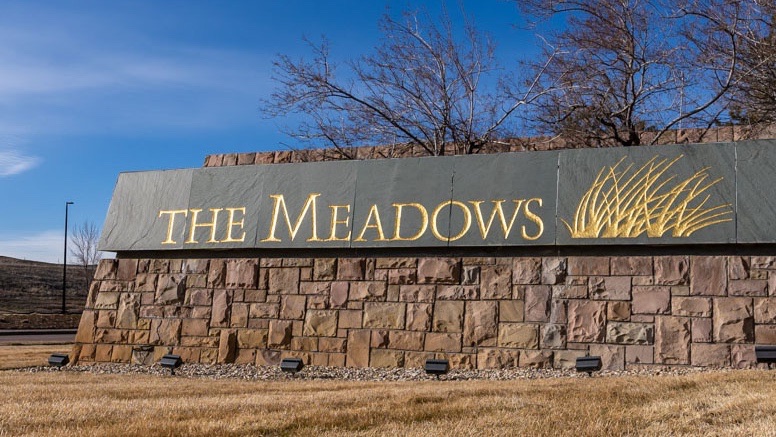
The Meadows
A local guide to homes, amenities, trails, open space, location, development patterns, and real estate considerations in The Meadows.
Read the guideFor Buyers
Buying in Castle Rock starts with understanding the neighborhood as well as the individual home. Consider construction era, builder where relevant, condition, lot characteristics, HOA requirements and fees, community amenities, topography, drainage, orientation, views, open-space proximity, transportation access and nearby future development. In actively developing communities, buyers should understand how builder inventory and future phases may affect their options. In established areas, renovation history and major systems may carry more weight. Because Castle Rock contains very different residential environments, neighborhood-level comparable sales generally provide better context than townwide averages.
For Sellers
Castle Rock sellers should define the property's competitive set carefully. Homes may compete based on neighborhood, construction era, builder, floor plan, lot, condition, views, updates, HOA amenities and proximity to open space or community facilities. In neighborhoods with active new construction, resale sellers should understand current builder competition and incentives because buyers may compare both options. In established communities, updates, maintenance and lot characteristics may become stronger differentiators. Pricing and presentation should focus on the features buyers can actually compare within that specific part of Castle Rock rather than relying primarily on broad townwide statistics.
Selling resourcesReady to see what's available in Castle Rock?
Search Castle Rock Homes for SaleCastle Rock: Common Questions
Where is Castle Rock, Colorado?+
Castle Rock is in Douglas County along Interstate 25 between the Denver metropolitan area and Colorado Springs. It is the county seat of Douglas County.
What types of homes are available in Castle Rock?+
Castle Rock includes older and established homes, large master-planned communities, newer subdivisions, townhomes and other attached housing, and ongoing new construction. Housing varies significantly by neighborhood and construction era.
What are some of the major communities in Castle Rock?+
Castle Rock includes communities and residential areas such as The Meadows, Founders Village, Castlewood Ranch and Crystal Valley, along with downtown and other established neighborhoods. Each has different housing, amenities, development patterns and location characteristics.
How much open space does Castle Rock have?+
The Town manages more than 4,000 acres of open space and reports that roughly 30% of Castle Rock is designated open space. Including partner resources, residents have access to more than 6,900 acres of open space within town.
Does Castle Rock have trails?+
Yes. The Town manages 104 miles of trails, and the broader network available within Castle Rock exceeds 130 miles when partner resources are included.
What should I consider when buying a home in Castle Rock?+
Important considerations can include neighborhood, construction era, builder, property condition, lot characteristics, HOA requirements, topography, drainage, views, open-space proximity, transportation access and nearby future development. The factors that matter most vary by property.
What school district serves Castle Rock?+
Castle Rock is served by Douglas County School District. Buyers should verify current attendance boundaries, enrollment information and school assignments directly with the district for a specific property.
How do I find homes for sale in Castle Rock?+
CohousePro's Castle Rock real estate page provides a starting point for exploring Castle Rock homes for sale. Preston can also help narrow the search by community, property type, construction era, lot characteristics, amenities, price range and other real estate priorities.
Thinking About Buying or Selling in Castle Rock?
Castle Rock's neighborhoods, housing ages, terrain, amenities and development patterns create meaningful differences from one property to another. Let's identify the homes, communities and local competition that matter to your goals and build a strategy around your situation.
Talk With PrestonSources
- Town of Castle Rock — Vision & Comprehensive Master Plan
- Town of Castle Rock — Parks, Open Space & Trails
- Town of Castle Rock — Open Space & Trails
- Town of Castle Rock — Downtown Development
- Town of Castle Rock — Transportation Master Plan
- Town of Castle Rock — Planning
- Douglas County School District — Castle Rock Region Schools