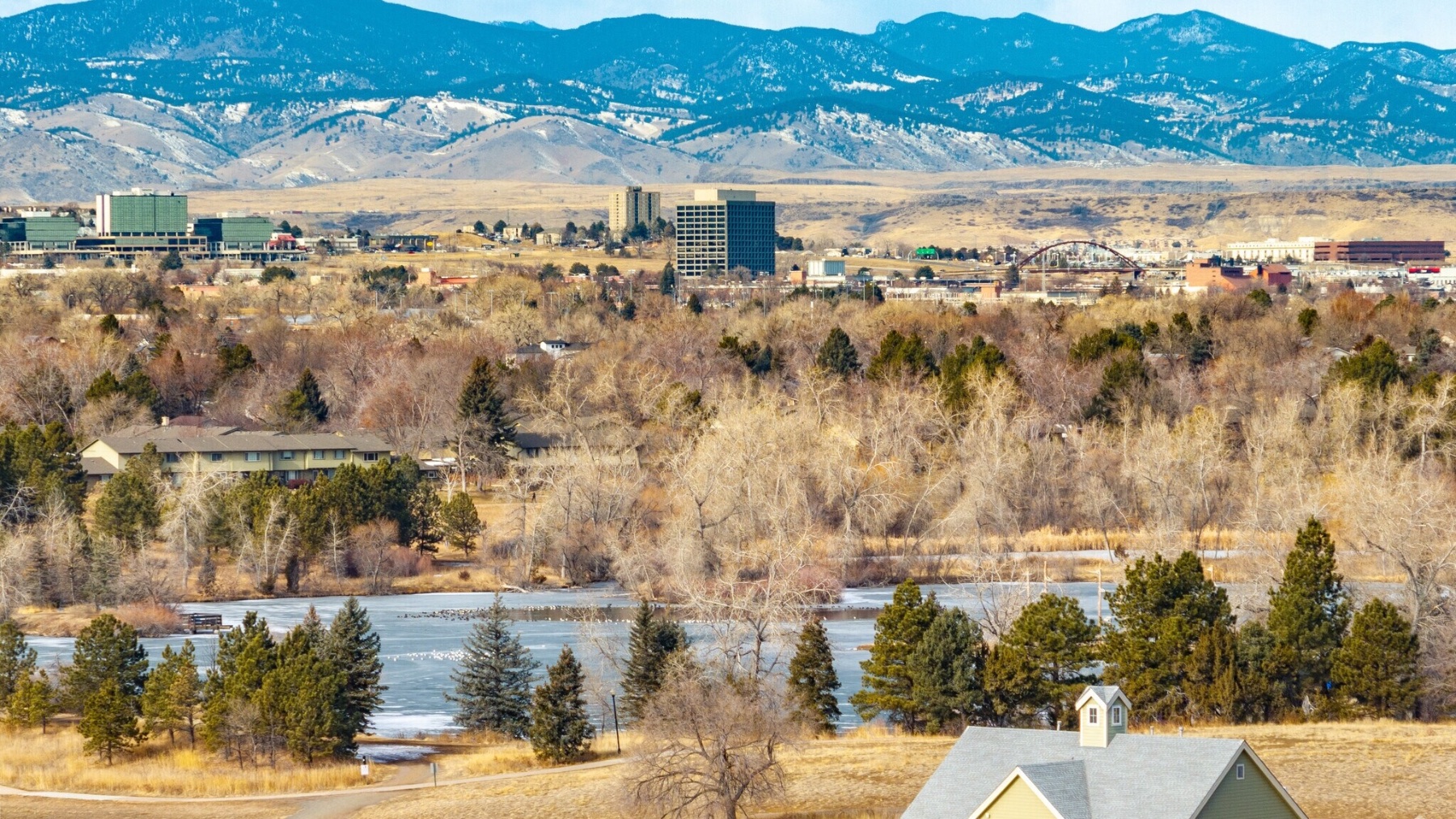
Lakewood, Colorado Community & Real Estate Guide
A local guide to Lakewood real estate, neighborhoods, parks, trails, transportation, community centers, and what buyers and sellers should consider.
Search Lakewood Homes for SalePreston's Perspective
Lakewood is one of those markets where the city name alone doesn't tell you enough about the real estate. A home near Green Mountain, a property around Belmar, an established house near Applewood, and a residence closer to the W Line can offer very different housing, access, lot characteristics, surroundings, and buyer competition. That's why I wouldn't use a Lakewood-wide average as the primary way to evaluate an individual property. For buyers, the first step is narrowing down which part of Lakewood fits the property and location priorities that matter most. For sellers, pricing should be based on the home's actual competitive set, including neighborhood, housing type, condition, lot, access, updates, and current nearby inventory.
Key Takeaways
- Lakewood contains a wide range of neighborhoods and housing environments, so neighborhood-level comparisons are more useful than broad citywide averages.
- Parks and open space are major parts of Lakewood's physical character, with more than 7,400 acres of parks, open space and trails and more than 240 miles of trails.
- Lakewood's position between Denver and the foothills creates varied transportation, recreation and real estate considerations depending on the property's exact location.
Lakewood at a Glance
- County
- Jefferson County
- Location
- Immediately west of Denver
- Community Type
- Established city with urban, suburban and foothills-oriented neighborhoods
- Parks & Open Space
- 7,400+ acres
- Trail Network
- 240+ miles
- School District
- Jeffco Public Schools
Lakewood stretches across a large portion of Jefferson County immediately west of Denver, creating a city with substantial variation from east to west and north to south. Its residential areas include older established neighborhoods, mid- and late-20th-century subdivisions, attached housing, newer development, foothills-oriented communities, and mixed-use areas. Lakewood also combines urban access with an extensive parks and open-space system, major employment centers, commercial districts, and light-rail connections. Because the city covers such a broad range of locations and housing environments, understanding the specific neighborhood is usually more useful than treating Lakewood as a single real estate market.
Living in Lakewood
Lakewood's size and location create a community that changes noticeably from one area to another. Eastern Lakewood connects directly with Denver and includes established residential areas and the West Colfax corridor. Central Lakewood includes civic, commercial and residential destinations around Belmar and other established neighborhoods. Farther west, areas such as Green Mountain and the communities approaching the foothills have a different physical setting, with elevation, open space and mountain access becoming more prominent. This variety is one of the most important things to understand when considering Lakewood real estate. Buyers can find properties with very different housing ages, lot configurations, transportation options, commercial access and recreational surroundings without leaving the city. Rather than starting with Lakewood as one broad search area, it is often more useful to identify the type of setting and property that fits the buyer's priorities and then narrow the search to the appropriate part of the city.
Homes & Real Estate in Lakewood
Lakewood's housing reflects decades of development across a large geographic area. Buyers can encounter older homes in established neighborhoods, postwar housing, mid- and late-20th-century subdivisions, townhomes and condominiums, newer construction, infill development and properties positioned closer to the foothills. That variety creates significant differences in condition and ownership considerations. In established neighborhoods, two homes built during a similar period may have very different levels of renovation, mechanical updates, energy improvements and exterior maintenance. Elsewhere, buyers may be comparing attached housing, newer communities or properties where lot size, elevation, views and proximity to open space play a larger role. For valuation, the most useful comparable homes are generally those that compete for the same buyer, not simply properties elsewhere in Lakewood with similar square footage. Neighborhood, housing type, age, condition, lot, updates, transportation access and surrounding land uses all help define the relevant competitive market.
Belmar & Lakewood's Community Centers
Lakewood does not revolve around a single traditional historic downtown. Instead, several commercial, civic and neighborhood centers serve different parts of the city. Belmar is one of the most recognizable. The area redeveloped the former Villa Italia regional mall into a mixed-use district and sits alongside Lakewood's Civic Center and Belmar Park. It combines residential development with restaurants, retail, services, public spaces and nearby cultural amenities. Other parts of Lakewood have their own commercial centers and corridors, including West Colfax, Union Boulevard, Colorado Mills and neighborhood-scale shopping areas. For home buyers, proximity to these destinations can affect convenience and the character of a location, but the tradeoffs vary. A property near a mixed-use center offers a different setting from a home deeper within an established residential neighborhood, even if both share a Lakewood mailing address.
Parks, Trails & Outdoor Recreation
Lakewood's parks and open-space system is one of the city's defining physical features. City resources report more than 7,400 acres of parks, open space and trails, more than 240 miles of trails and 114 parks. The system ranges from neighborhood parks to large regional landscapes. Bear Creek Lake Park encompasses more than 2,600 acres near the foothills and includes trails, camping, fishing, boating, swimming and other recreation. William F. Hayden Park on Green Mountain adds more than 2,400 acres of open space and an extensive trail network. Belmar Park provides a large park setting closer to the city's civic and mixed-use core. These resources create substantial outdoor access, but proximity varies greatly across Lakewood. Buyers who place a high value on trails or open space should evaluate actual trailheads, street connections, terrain and access from the specific property rather than assuming that every Lakewood neighborhood offers the same experience.
Location, Transportation & Light Rail
Lakewood sits directly west of Denver and extends toward Golden, Morrison and the Front Range foothills. Major routes include West Sixth Avenue, Colfax Avenue, Wadsworth Boulevard, Kipling Street, Alameda Avenue, US 285 and connections toward C-470 and Interstate 70. Public transportation is another part of Lakewood's location story. RTD's W Line runs between Denver Union Station and Jefferson County Government Center-Golden and serves multiple Lakewood stations, including Lakewood-Wadsworth, Garrison, Oak, Federal Center and Red Rocks College. The usefulness of those transportation options depends heavily on the specific neighborhood. A property near a W Line station provides a different transportation profile from a home in southwest or west Lakewood where driving may be the more practical option for many trips. Buyers with regular commuting or travel needs should evaluate routes from the actual property during realistic travel periods rather than relying on a citywide commute estimate.
Neighborhoods & Areas of Lakewood
Lakewood is best understood as a collection of distinct residential areas rather than one uniform housing market. Green Mountain is one example, with established housing, foothills topography and direct access to major open space. Other parts of west Lakewood include Foothills, Union Square, Glennon Heights and Rooney Valley, each with different development patterns and housing characteristics. Central and eastern Lakewood contain additional established neighborhoods as well as areas influenced by Belmar, West Colfax, Wadsworth and the W Line. Northern Lakewood transitions toward Wheat Ridge and the Applewood area, while southern Lakewood connects with Bear Creek, US 285 and communities approaching Morrison. CohousePro's Neighborhood Guides will continue to build out these areas individually so buyers and sellers can move from the broad Lakewood picture to neighborhood-specific information.
Growth, Redevelopment & Planning
Lakewood is an established city, but redevelopment and change continue in different parts of the community. The city's current Envision Lakewood 2040 Comprehensive Plan was adopted in 2025 and provides long-range guidance for land use, housing, transportation, climate action, arts, parks, recreation and other citywide priorities. This matters in real estate because redevelopment is not distributed evenly across Lakewood. Established residential streets may see relatively limited physical change while major corridors, mixed-use areas and underutilized commercial properties can evolve more substantially. Buyers considering property near commercial corridors, vacant land or redevelopment areas should review current zoning and planning information for the specific location. Sellers should also understand how newer housing and nearby redevelopment may affect their competitive environment.
Schools & Education
Lakewood is served by Jeffco Public Schools. Because Lakewood covers a large geographic area, properties fall within multiple school attendance and articulation areas rather than one single Lakewood school pattern. Jeffco provides School Finder, enrollment and boundary resources for researching the schools associated with a specific address, along with information about choice enrollment and district programs. School information in CohousePro Neighborhood Guides is provided for general location context rather than as a ranking or recommendation. Attendance boundaries, programs and enrollment policies can change, so buyers should verify current information directly with Jeffco Public Schools for the property they are considering.
Local Highlights
Belmar
A mixed-use district near Lakewood's Civic Center combining residential development, restaurants, retail, services and public spaces.
Bear Creek Lake Park
More than 2,600 acres near the foothills with trails, camping, fishing, boating, swimming and other outdoor recreation.
William F. Hayden Park
More than 2,400 acres of open space on Green Mountain with an extensive shared-use trail network.
RTD W Line
Light rail connecting multiple Lakewood stations with Denver Union Station to the east and Golden to the west.
Heritage Lakewood Belmar Park
A cultural and history destination within the Belmar Park area focused on Lakewood's 20th-century history, historic structures, exhibitions and community events.
Green Mountain
An established west Lakewood community where residential neighborhoods meet foothills topography, trails and major open space.
For Buyers
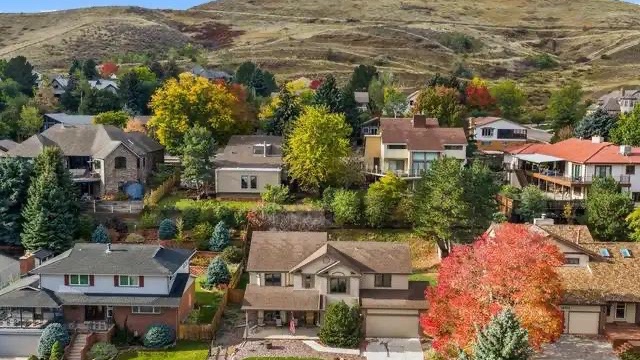
Buying in Lakewood starts with narrowing the city into the areas that match your property and location priorities. Consider housing age, condition, lot characteristics, transportation access, proximity to light rail where relevant, parks and trail access, surrounding land uses, elevation and topography in western areas, HOA requirements where applicable, property taxes, insurance considerations and nearby redevelopment. Because Lakewood's housing varies significantly by neighborhood, citywide statistics should provide context rather than replace neighborhood-level comparable sales. A home in Green Mountain may compete in a very different market from a similarly priced property near Belmar or the W Line.
For Sellers
Lakewood sellers should define the property's competitive market before setting a price. A citywide Lakewood median can combine housing from very different neighborhoods, construction periods, property types and locations. Strong pricing analysis should focus on recent comparable sales and active competition that share the property's neighborhood, housing type, condition, lot characteristics, updates and location advantages. Proximity to parks, transit, commercial centers or foothills access can matter, but those features should be evaluated in the context of what buyers for that specific property are comparing. Preparation, presentation and photography should then reinforce the property's strongest relevant advantages.
Selling resourcesReady to see what's available in Lakewood?
Search Lakewood Homes for SaleLakewood: Common Questions
Where is Lakewood, Colorado?+
Lakewood is in Jefferson County immediately west of Denver. The city extends from areas bordering Denver west toward Golden, Morrison and the Front Range foothills.
What types of homes are available in Lakewood?+
Lakewood includes older established homes, postwar neighborhoods, mid- and late-20th-century subdivisions, townhomes, condominiums, newer construction, infill development and foothills-oriented properties. Housing varies substantially by neighborhood.
Does Lakewood have a downtown?+
Lakewood does not have one traditional historic downtown. Belmar functions as a major mixed-use and civic center, while other commercial and neighborhood centers such as West Colfax, Union Boulevard and Colorado Mills serve different parts of the city.
Does Lakewood have light rail?+
Yes. RTD's W Line travels through Lakewood between Denver Union Station and Jefferson County Government Center-Golden. Lakewood stations include Lakewood-Wadsworth, Garrison, Oak, Federal Center and Red Rocks College.
What parks and outdoor recreation are available in Lakewood?+
Lakewood reports more than 7,400 acres of parks, open space and trails, more than 240 miles of trails and 114 parks. Major destinations include Bear Creek Lake Park, William F. Hayden Park on Green Mountain and Belmar Park.
Are all Lakewood neighborhoods similar?+
No. Lakewood covers a large area and includes neighborhoods with different housing ages, property types, lot characteristics, transportation options, commercial access, topography and proximity to open space. Neighborhood-level research is important when comparing properties.
What school district serves Lakewood?+
Lakewood is served by Jeffco Public Schools. Because attendance areas vary throughout the city, buyers should use the district's current School Finder, boundary and enrollment resources to verify information for a specific property.
How do I find homes for sale in Lakewood?+
CohousePro's Lakewood real estate page provides a starting point for exploring Lakewood homes for sale. Preston can also help narrow the search by neighborhood, property type, condition, transit access, outdoor access, price range and other real estate priorities.
Thinking About Buying or Selling in Lakewood?
Lakewood is a collection of distinct neighborhoods and property types rather than one uniform market. Let's identify the part of Lakewood, the property characteristics, and the local competition that matter to your goals and build a strategy around your situation.
Talk With PrestonSources
- City of Lakewood — Envision Lakewood 2040 Comprehensive Plan
- City of Lakewood — Parks by the Numbers
- City of Lakewood — Bear Creek Lake Park Master Plan
- City of Lakewood — Historic Preservation Plan
- City of Lakewood — Heritage Lakewood Belmar Park
- RTD — W Line
- Jeffco Public Schools — Lakewood Articulation Area