Parker, Colorado Community & Real Estate Guide
A local guide to living in Parker, including neighborhoods, homes, downtown, trails, recreation, growth, and real estate considerations for buyers and sellers.
Search Parker Homes for SalePreston's Perspective
Parker is a good example of why I don't like evaluating real estate only through citywide averages. An established home closer to Downtown Parker, a newer property in a master-planned community, and a home on the edge of town can compete very differently even when their square footage and price range look similar. Neighborhood, age, condition, lot characteristics, amenities, surrounding development, and competing inventory all matter. For buyers, understanding the specific location can be just as important as understanding the house. For sellers, pricing should start with the property's actual competitive market rather than a broad Parker average.
Key Takeaways
- Parker offers a broad mix of established neighborhoods, newer communities, and housing styles, making neighborhood-level analysis important when comparing homes.
- Parks and trails are a major part of Parker's physical character, including more than 27 miles of paved multi-use trails and the Cherry Creek Regional Trail.
- Parker continues to grow and evolve, making nearby zoning, planned development, infrastructure, and future land use worth understanding before buying or selling.
Parker at a Glance
- County
- Douglas County
- Location
- Approximately 20 miles southeast of Denver
- Elevation
- Approximately 5,900 feet
- Community Type
- Established and newer suburban communities with a historic downtown
- Trail Network
- 27+ miles of paved multi-use trails
- School District
- Douglas County School District RE-1
Parker combines established neighborhoods, newer residential development, a recognizable downtown, and an extensive network of parks and trails. The community includes established subdivisions, newer master-planned communities, attached homes, single-family properties, and areas with different lot sizes, amenities, and development patterns. That variety is one of Parker's strengths, but it also means real estate decisions are best made at the neighborhood and property level rather than from citywide statistics alone.
Living in Parker
Parker has developed into one of the larger communities in the southeast Denver metro area while retaining a recognizable center around Mainstreet and Downtown Parker. The community includes established residential areas, newer development, shopping and services, parks, trails, cultural amenities, and connections to the broader Denver metro area. What living in Parker looks like can vary considerably depending on location. Some properties are positioned closer to Downtown Parker and established commercial corridors, while others are within newer communities farther east or south. Trail access, neighborhood amenities, road access, lot characteristics, housing age, and surrounding development can all change from one part of Parker to another. For someone considering a move, that makes the specific neighborhood more useful to evaluate than Parker as a single category.
Homes & Real Estate in Parker
Parker's residential market includes a wide variety of housing environments. Depending on location, buyers may find detached single-family homes, townhomes and other attached housing, established subdivisions, newer construction, master-planned communities, and properties with different lot sizes and neighborhood amenities. Established areas can offer mature landscaping and proximity to existing amenities, while newer communities may provide contemporary floor plans, newer infrastructure, and community features. Neither is automatically better; the right fit depends on the property and the buyer's priorities. Buyers considering newer or developing areas should also look beyond the home itself. Vacant parcels, zoning, planned roads, future commercial areas, and additional residential development can affect how a location changes over time. The Town of Parker provides zoning, subdivision, active-development, and planning resources that can help buyers investigate surrounding land use. From a valuation perspective, Parker should not be treated as one uniform market. Home age, neighborhood, condition, updates, lot characteristics, amenities, and nearby competing inventory can all influence value and marketability.
Downtown Parker
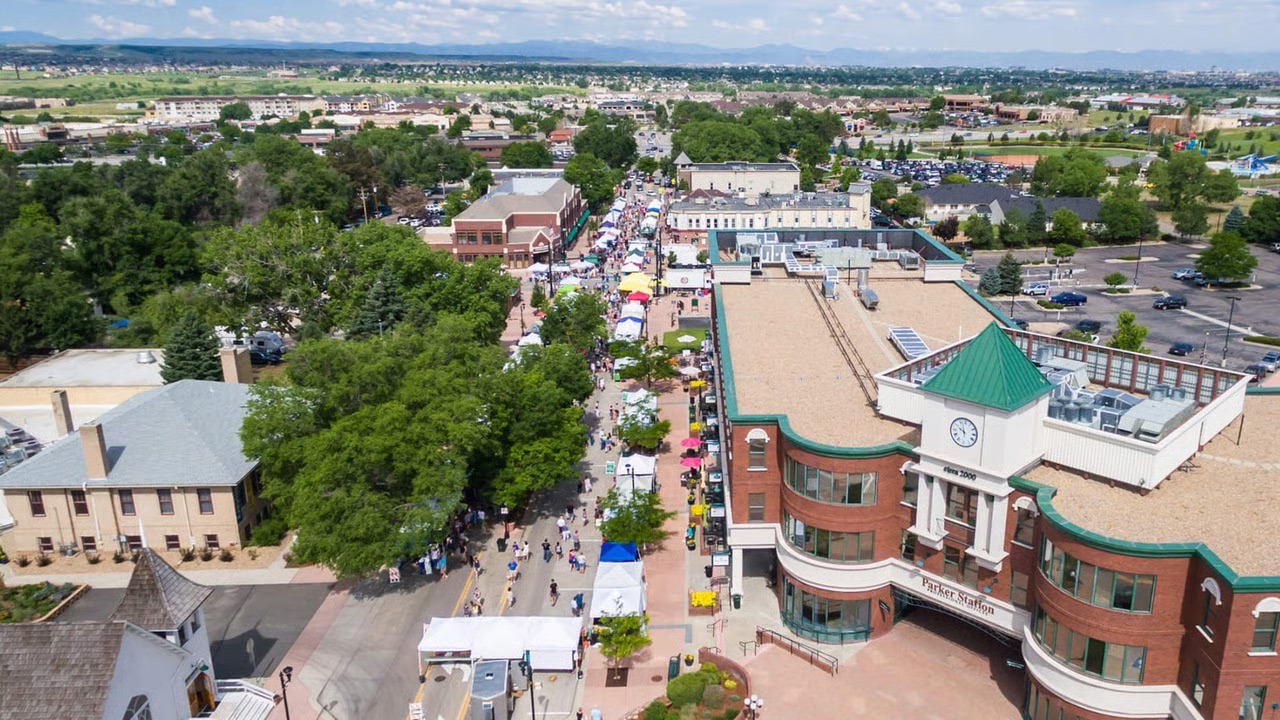
Downtown gives Parker a community center that distinguishes it from a collection of residential subdivisions and commercial corridors. The Town describes Parker as having a Western-Victorian downtown, with Mainstreet serving as a recognizable local focal point. Downtown and the surrounding area bring together public spaces, restaurants, local businesses, cultural facilities, community programming, and connections to Parker's trail system. O'Brien Park is one of the central gathering spaces, while the broader downtown area connects with destinations such as the PACE Center and other civic and cultural amenities. From a real estate perspective, proximity to downtown may appeal to buyers who value access to community events, dining, public spaces, and local businesses. As with any location consideration, buyers should evaluate actual distance, road connections, trail access, and surrounding land uses from the specific property rather than relying only on a neighborhood name.
Parks, Trails & Recreation
Outdoor connectivity is one of Parker's most visible community features. Parker Parks and Recreation maintains more than 27 miles of paved multi-use trails, along with additional natural-surface and equestrian routes. The Cherry Creek Regional Trail is the major north-south trail corridor through Parker and extends 8.11 miles within town. It accommodates pedestrians, cyclists, and equestrian users through paved and soft-surface infrastructure. Other trail connections include Sulphur Gulch, Baldwin Gulch, East/West Regional Trail connections, and additional neighborhood routes. Parker also has parks ranging from downtown gathering spaces to larger recreational facilities. Salisbury Regional Park covers approximately 160 acres and includes sports facilities, equestrian amenities, open space, and Cherry Creek Trail access. McCabe Meadows provides another Cherry Creek Trail connection and includes the Parker Arboretum, a fitness circuit, and other amenities. For home buyers who value recreation, the important question is not simply whether Parker has trails and parks, but how conveniently a particular property connects to them.
Location & Getting Around
Parker is located approximately 20 miles southeast of Denver and connects with the surrounding metro area through major corridors including Parker Road, E-470, Lincoln Avenue, Mainstreet, Hess Road, and other local routes. Travel patterns can vary significantly depending on where a home is located and where someone regularly needs to go. Parker Road serves as a major north-south regional corridor, while E-470 provides regional connectivity through the northern part of the community. Local road infrastructure also continues to evolve as Parker grows. The Dransfeldt Road extension, for example, opened in June 2025 and created an additional north-south connection. For buyers with regular travel requirements, testing the route from the actual property during realistic travel times can be more useful than relying on a generalized commute estimate.
Growth & Development
Parker continues to evolve, and that growth is an important part of evaluating real estate here. The Town maintains planning documents, zoning maps, development resources, and an active-development map to help residents and property owners understand what is happening around the community. Parker's current planning framework includes the Parker 2050 Comprehensive Plan along with transportation, downtown, parks, trails, and other guiding documents. For buyers, this makes future land use worth investigating when considering a property near vacant or developing land. A view, open parcel, road configuration, or commercial area that exists today may not remain unchanged indefinitely. For sellers, new construction and nearby development can also affect the competitive landscape. Growth is neither automatically positive nor negative for a particular property; the important step is understanding what is planned and incorporating that information into the real estate decision.
Schools & Education
Properties within incorporated Parker are served by Douglas County School District RE-1. School information in CohousePro Neighborhood Guides is provided for general location context rather than as a ranking or recommendation. Because school boundaries, programs, enrollment policies, and assignments can change, buyers should verify current information directly with the district for a specific property.
Local Highlights
Downtown Parker
Parker's recognizable community center around Mainstreet combines local businesses, public spaces, cultural amenities, dining, and community events.
Cherry Creek Regional Trail
The major trail corridor through Parker extends 8.11 miles within town and connects pedestrians, cyclists, and equestrian users with parks, trailheads, and other regional routes.
O'Brien Park
A central Downtown Parker gathering space with recreational amenities, public events, and Parker's iconic gazebo.
Salisbury Regional Park
A 160-acre regional park with sports facilities, equestrian amenities, open space, and access to the Cherry Creek Regional Trail.
McCabe Meadows
A six-acre park and trailhead with Cherry Creek Trail access, the Parker Arboretum, fitness amenities, and a Story Walk.
Parker Trail Network
More than 27 miles of paved multi-use trails connect recreation areas and neighborhoods throughout the community.
Explore Parker Neighborhoods & Communities
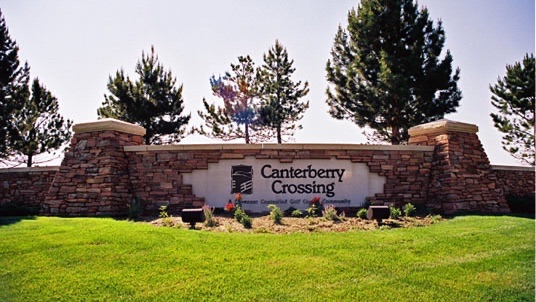
Canterberry Crossing
A local guide to Canterberry Crossing real estate, homes, community amenities, golf-course surroundings, trails, associations, and property-level considerations in Parker, Colorado.
Read the guide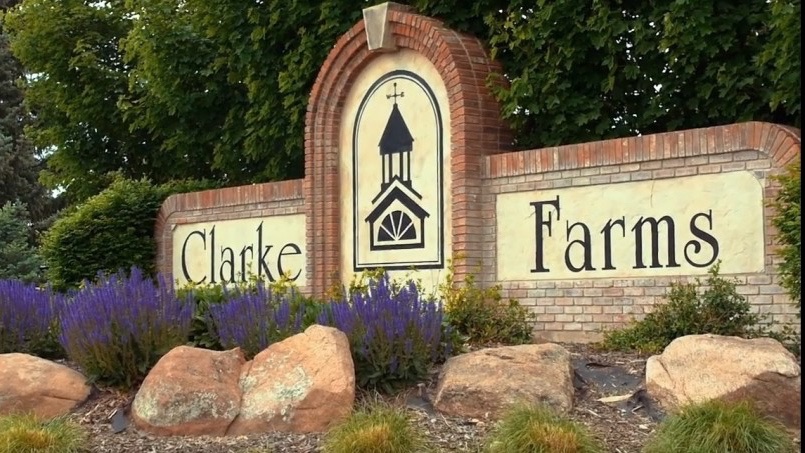
Clarke Farms
A local guide to Clarke Farms real estate, established homes, community amenities, location, HOA considerations, and what buyers and sellers should evaluate in Parker, Colorado.
Read the guide
Downtown Parker & Old Town
A local guide to Downtown Parker and Old Town real estate, historic Mainstreet, homes, parks, trails, businesses, redevelopment, and property-level considerations in Parker, Colorado.
Read the guide
Idyllwilde
A local guide to Idyllwilde real estate, homes, community amenities, parks and trails, open space, location, and property-level considerations in Parker, Colorado.
Read the guide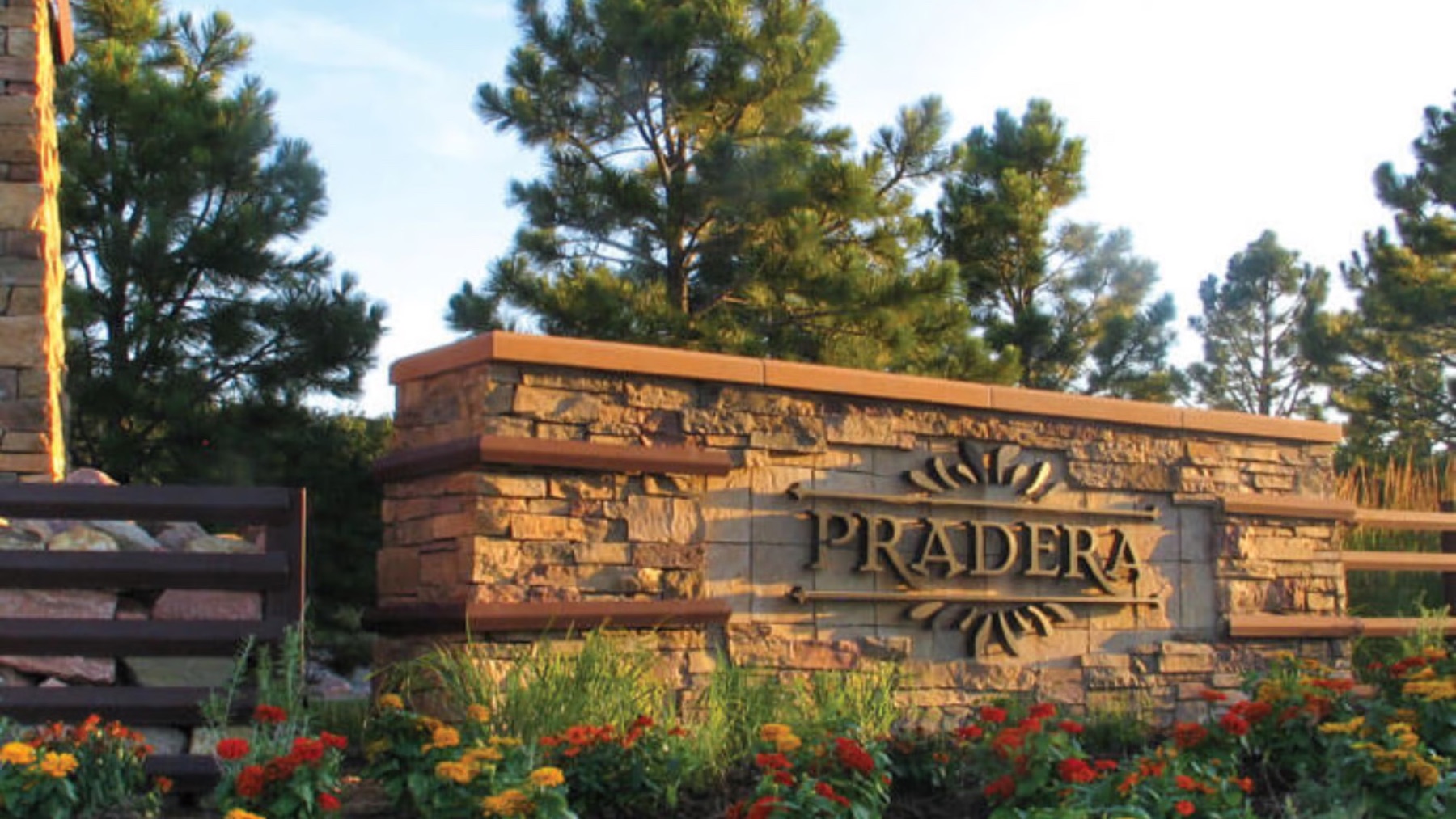
Pradera
A local guide to Pradera real estate, custom and luxury homes, golf-course surroundings, community amenities, open space, HOA considerations, and property-level due diligence near Parker, Colorado.
Read the guide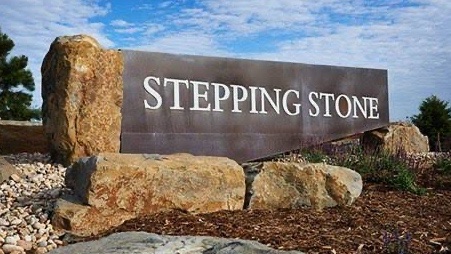
Stepping Stone
A local guide to Stepping Stone real estate, newer homes, parks, trails, community amenities, HOA considerations, and property-level due diligence near Parker, Colorado.
Read the guide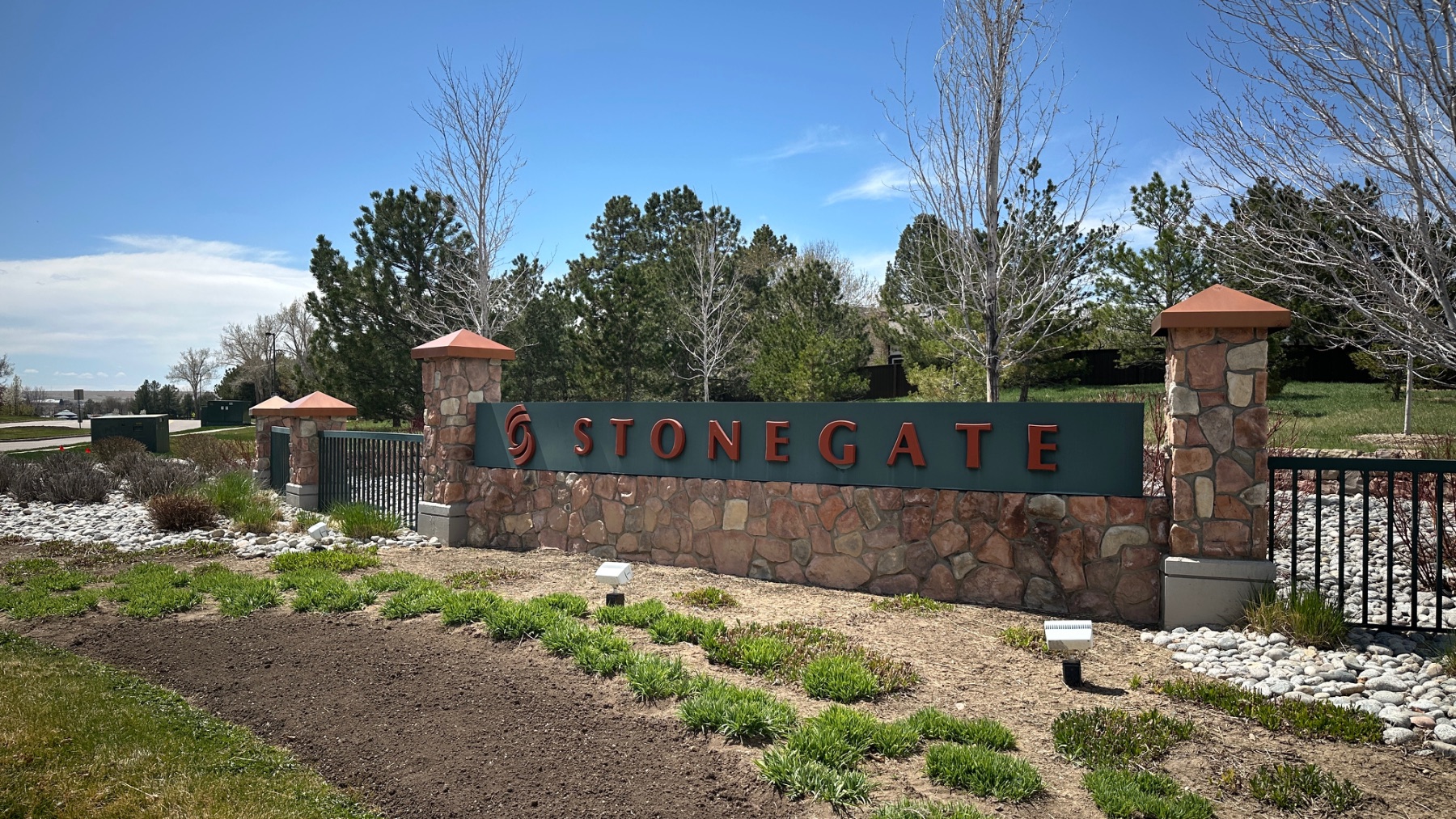
Stonegate
A local guide to Stonegate real estate, homes, community amenities, parks and trails, location, district structure, and what buyers and sellers should consider.
Read the guide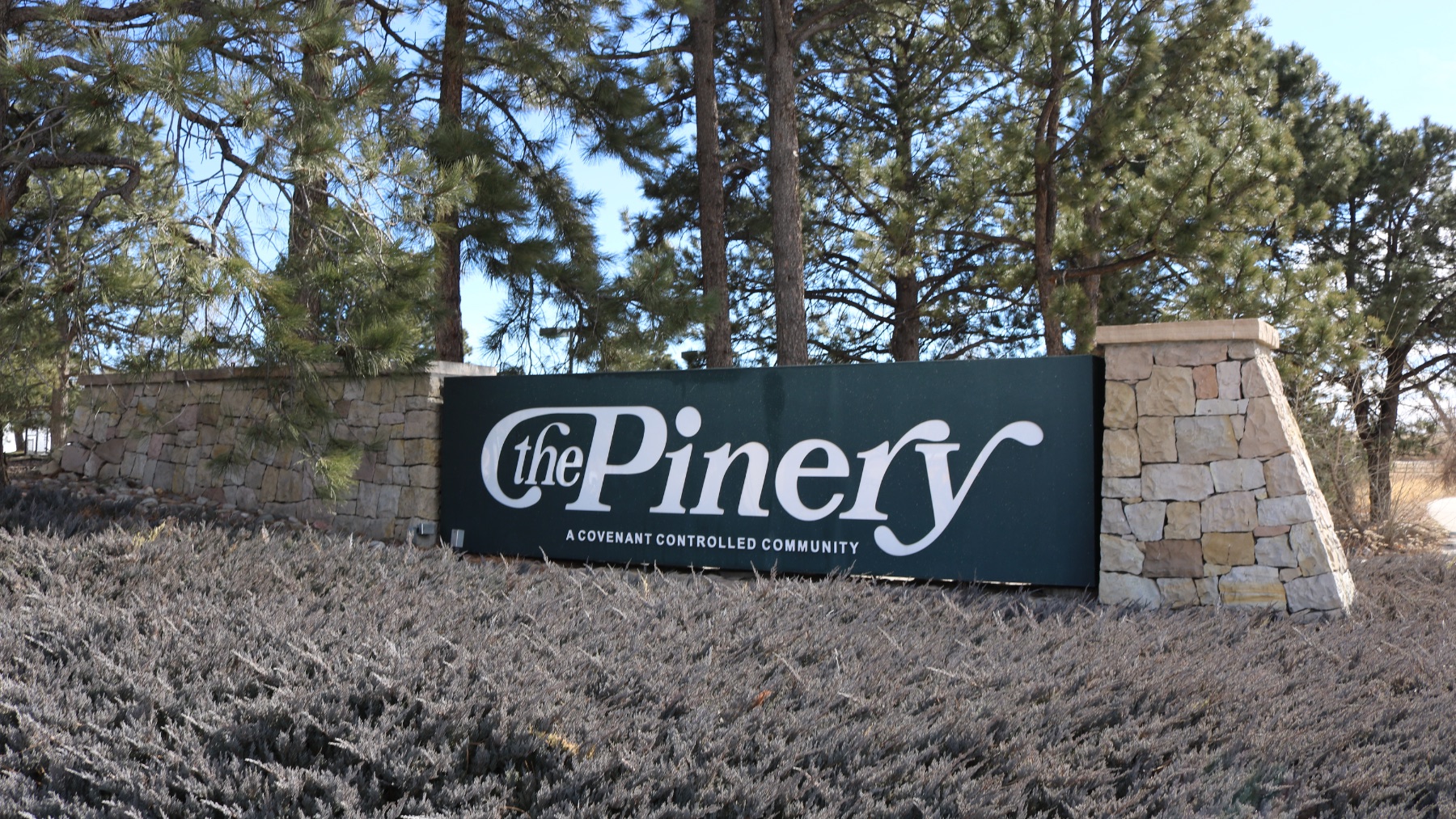
The Pinery
A local guide to The Pinery real estate, established homes, wooded and rolling terrain, parks, trails, golf, utilities, HOA considerations, and property-level due diligence near Parker, Colorado.
Read the guideFor Buyers
Buying in Parker starts with identifying the type of location and property that fits your priorities rather than searching the entire town as though every neighborhood is interchangeable. Consider housing age, lot characteristics, trail and park access, neighborhood amenities, road connections, HOA requirements where applicable, property taxes and district obligations, surrounding zoning, and nearby planned development. For homes near vacant land or growing areas, review Parker's zoning and development resources to understand potential future uses. When comparing properties, focus on the relevant neighborhood and competitive set rather than relying solely on a Parker-wide median price. Property condition, updates, location, lot, and competing inventory can create meaningful differences between homes that appear similar online.
For Sellers
For Parker sellers, the most useful question is usually not simply, 'What is the Parker market doing?' A broad citywide statistic can combine homes from different neighborhoods, ages, price ranges, conditions, and housing types. A stronger pricing strategy looks at the property's actual competition: recent comparable sales, active listings, neighborhood-specific demand, condition, updates, lot characteristics, and current inventory. Presentation also matters because buyers often compare multiple Parker properties online before deciding which homes to tour. The objective is to position the property strategically within its real competitive segment rather than pricing from a citywide average.
Selling resourcesReady to see what's available in Parker?
Search Parker Homes for SaleParker: Common Questions
Where is Parker, Colorado?+
Parker is located in Douglas County approximately 20 miles southeast of Denver. The incorporated town covers approximately 22.4 square miles and sits at an elevation of about 5,900 feet.
What types of homes are available in Parker?+
Parker includes a variety of housing environments, including detached single-family homes, townhomes and other attached housing, established subdivisions, newer construction, and master-planned communities. Housing age, lot size, amenities, and neighborhood character vary throughout the community.
Does Parker have a downtown?+
Yes. Downtown Parker is centered around Mainstreet and includes public spaces, restaurants, local businesses, cultural facilities, community events, and connections to nearby trails and recreation.
Does Parker have parks and trails?+
Yes. Parker maintains more than 27 miles of paved multi-use trails along with additional natural-surface and equestrian routes. The Cherry Creek Regional Trail runs 8.11 miles through Parker, and the community includes parks such as Salisbury Regional Park, O'Brien Park, and McCabe Meadows.
What school district serves Parker?+
Properties within incorporated Parker are served by Douglas County School District RE-1. Because school boundaries, programs, enrollment policies, and assignments can change, buyers should verify current information directly with the district for a specific property.
What should buyers investigate before purchasing a home in Parker?+
In addition to the home's condition and comparable sales, buyers may want to review HOA documents where applicable, property taxes and district obligations, surrounding zoning, nearby development, road access, trail connections, and property-specific considerations. The Town of Parker provides public planning, zoning, subdivision, and development resources.
Is Parker still growing?+
Parker continues to plan for growth and development. The Town maintains current comprehensive planning, transportation, development, zoning, downtown, parks, and trail resources. Buyers considering properties near undeveloped land should investigate current zoning and potential future land uses.
How do I find homes for sale in Parker?+
CohousePro's Parker real estate page provides a dedicated starting point for exploring Parker homes for sale. For a more targeted search, Preston can help narrow properties by neighborhood, housing type, location, price range, and other real estate priorities.
Thinking About Buying or Selling in Parker?
Every Parker neighborhood, property, and real estate goal is different. Let's look at the property, the local market, and your priorities and build a strategy around your situation.
Talk With PrestonSources
- Town of Parker — About Parker
- Town of Parker — Community Maps
- Town of Parker — Development
- Town of Parker — Master Plans and Guiding Documents
- Parker Parks and Recreation — Trails
- Parker Parks and Recreation — Cherry Creek Regional Trail
- Parker Parks and Recreation — Salisbury Regional Park
- Parker Parks and Recreation — McCabe Meadows